My approach to education
Discover the core beliefs that guide my classroom, focusing on how I foster growth, encourage exploration, and make learning a meaningful experience for every child.
Foundations of learning through play
I believe in a play-based curriculum that balances structured learning with child-led exploration. Children are natural scientists and storytellers who learn best through play. I create a safe, stimulating environment where child-led exploration flourishes. I see my role as a facilitator who observes interests and provides rich, hands-on materials that allow children to make discoveries, solve problems, and build independence at their own pace. My goal is to support the whole child physically, socially, emotionally, and intellectually.
Classroom
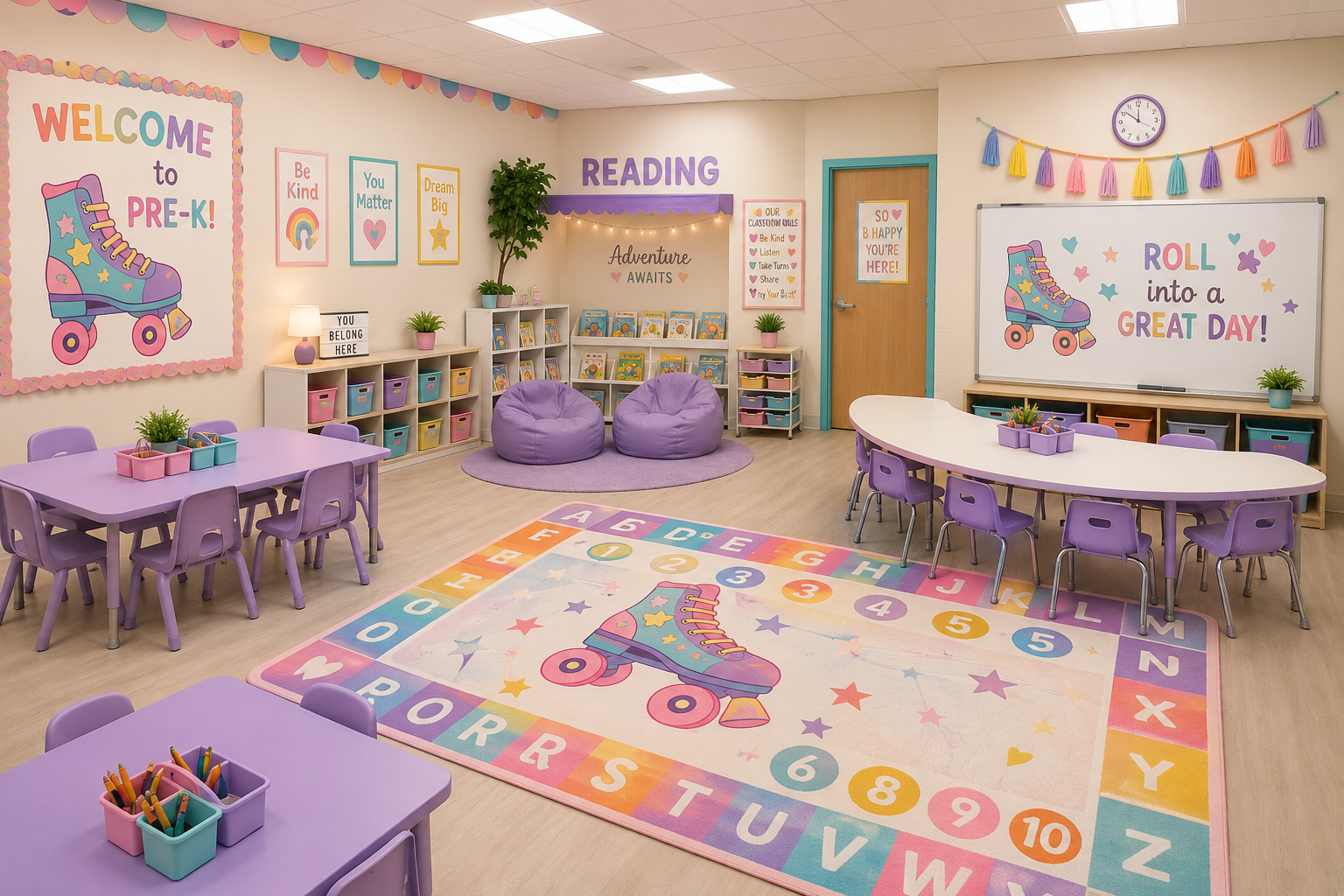
I believe an organized and well put together classroom produces engagement and creates a welcoming environment. I chose the classroom colors because they have a calming effect on the human psychology. These colors relax the mind, reduces stress and produces a serene environment. They give positive energy that balance the room with joy and happiness.
Engaging lessons and meaningful connections
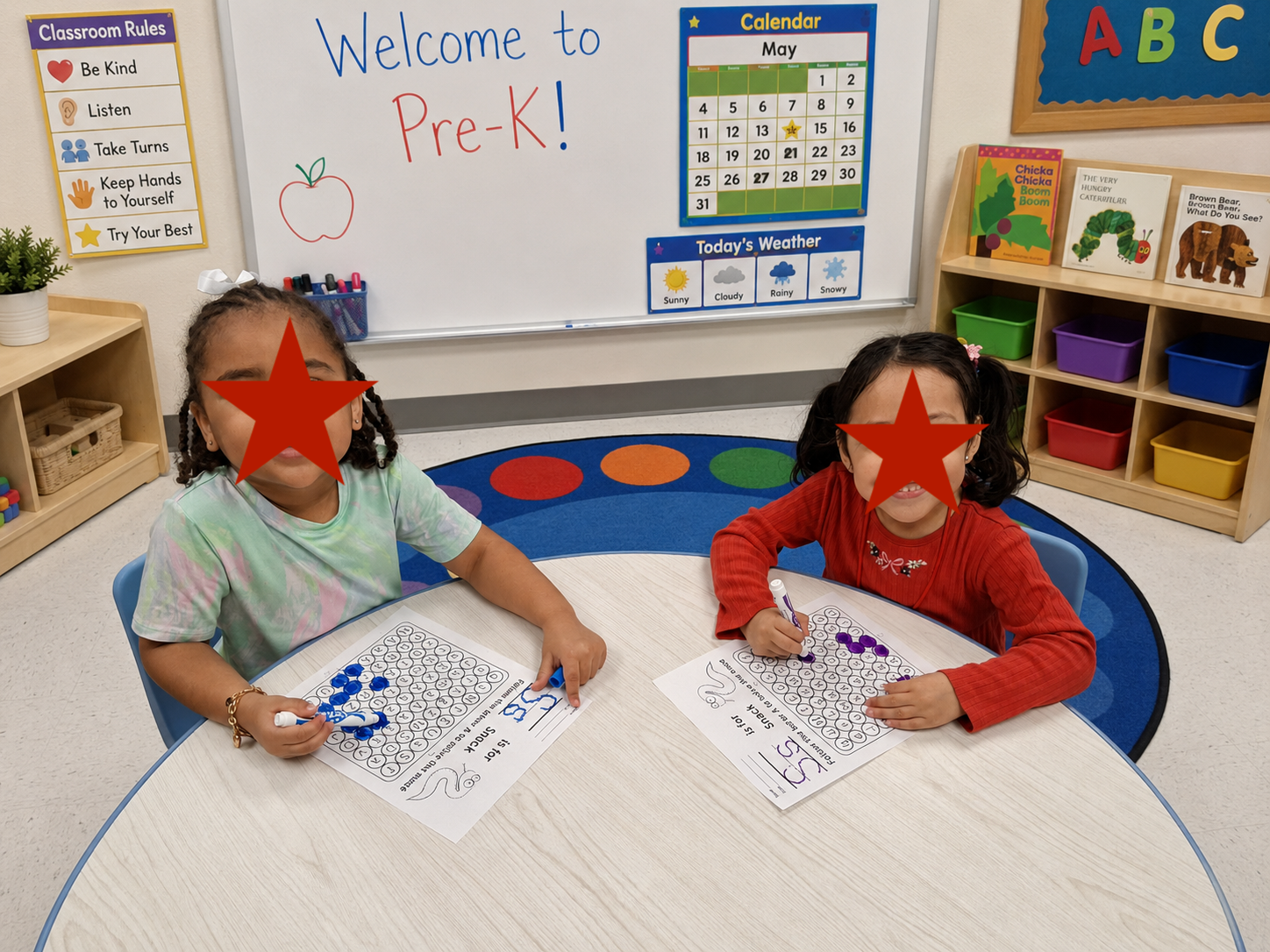
I make learning different for my students by listening and observing them, then creating lessons that make learning fun and engaging. In order for me to differentiate my lessons, I build strong relationships with my students which allows them to trust me with their education. Then, I am able to create activities that are curriculum-based but fun and engaging, therefore they will enjoy learning.
Fostering early literacy through joyful practice
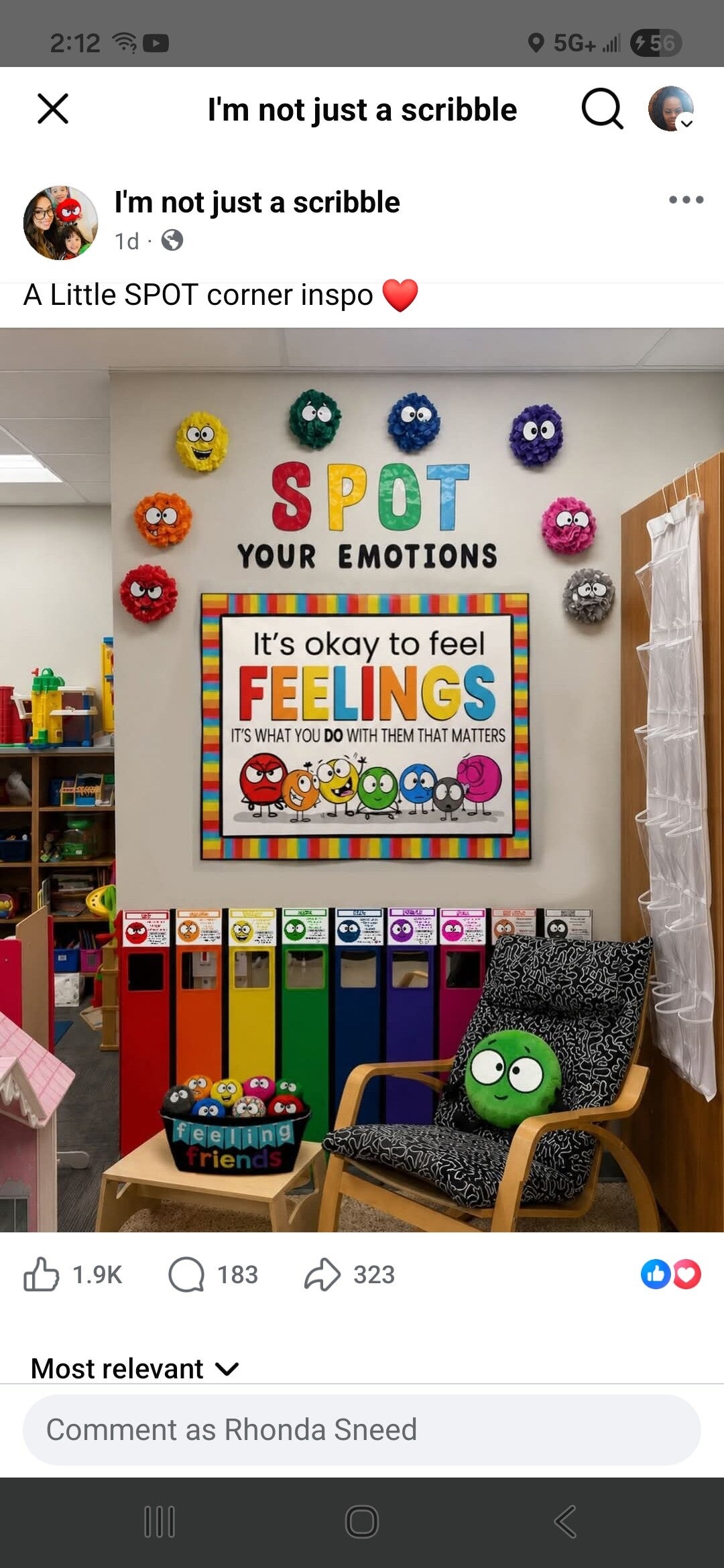
I believe in fostering a nurturing community where each child feels safe to express themselves. By prioritizing social-emotional learning, I help children understand their emotions and build empathy, equipping them with the resilience needed to succeed academically and in life. My approach ensures children are kindergarten-ready, focusing on foundational literacy, numeracy, technology, and social skills like sharing and empathy. For example, I watched my students grow with sounding CVC words. There is a chant that my students and I do on a daily basis that allows them to hear the sounds and blend them into words or decompose CVC words by breaking them into sounds. They loved this chant so much that we made sure to do it daily. They were able to see the words and read them.
"The impact of a teacher who truly understands how children learn is immeasurable. This philosophy resonates deeply with effective child development."
Education Expert